
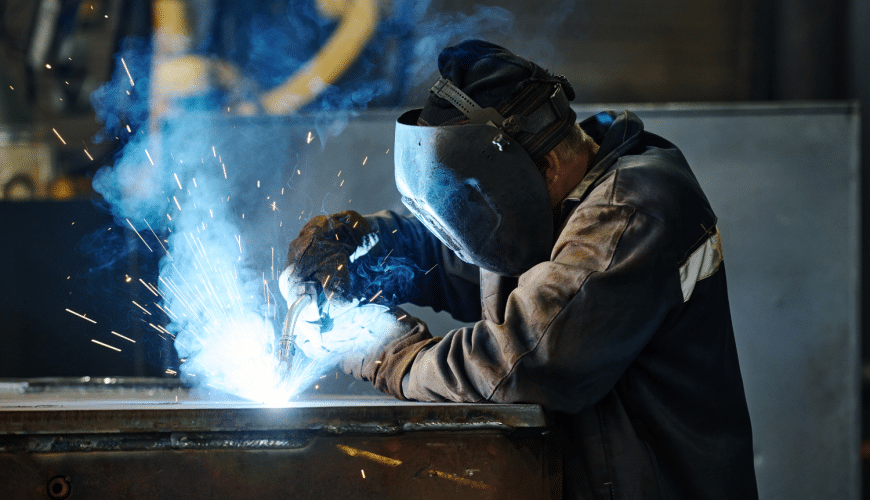
A successful welding job starts long before the welding machine is switched on. While welding technique plays an important role in the quality of a finished joint, preparation can be just as important. Taking a few minutes to check the materials, equipment, welding conditions and safety requirements can help prevent defects, reduce material waste and make the entire job more efficient.
Whether you are working in a professional fabrication workshop, construction site, engineering facility or carrying out a repair, there are several important things to consider before striking the arc. Here are five key checks that can help you prepare for a welding job.
1. Check the Material and Joint Preparation
The first step is to understand exactly what you are welding. Different metals and material thicknesses can require different welding approaches, so identifying the material before starting is important. For common fabrication work, mild steel is widely used, but the thickness and condition of the material can vary significantly from one project to another.
Once the material has been identified, inspect the surfaces that will be welded. Rust, oil, grease, paint, dirt and other contaminants can interfere with the welding process and affect the quality of the finished joint. Welding over contaminated surfaces can contribute to problems such as porosity, poor fusion and excessive spatter.
Proper joint preparation is also important. Depending on the thickness and design of the material, the edges may need to be cleaned, cut, ground or bevelled before welding. The workpieces should be positioned correctly and securely clamped to prevent movement during welding.
Taking time to prepare the joint properly can make the welding process easier and help produce a more consistent result. It can also reduce the need for grinding, repairs or additional welding later.
2. Check Your Welding Electrode
The welding electrode is one of the most important components of the welding process. Before starting, make sure that the electrode you are using is appropriate for the material, joint and welding application.
Electrodes have different classifications and characteristics. For example, E6013 electrodes are commonly used for general-purpose mild steel welding. However, the appropriate electrode will depend on factors such as the material, welding position, required penetration and project requirements.
Electrode diameter should also be considered. Common sizes such as 2.5mm, 3.2mm and 4.0mm are suited to different applications and material thicknesses. Using an electrode that is too large for thin material can make it difficult to control the weld and may result in excessive heat. Conversely, using a small electrode on thicker material may require additional passes to achieve the desired weld.
Storage is another important consideration. Electrodes should be stored according to the manufacturer’s recommendations and protected from moisture and contamination where required. Before beginning work, inspect the electrodes and make sure they are in suitable condition for the application.
Choosing the right electrode before starting the job can save time and help the welder achieve more consistent results.
3. Check the Welding Machine and Settings
Even with the correct electrode and properly prepared material, incorrect welding machine settings can affect the finished weld. Before beginning, inspect the welding machine, cables, electrode holder, earth clamp and other connections to ensure that they are in good working condition.
The welding current should be appropriate for the electrode size, material thickness and welding position. Too much current can cause excessive spatter, undercutting or burn-through, particularly when working with thinner material. Too little current can make the arc unstable and may result in inadequate penetration.
Always follow the electrode manufacturer’s recommended operating range and adjust the settings according to the specific job. The earth clamp should also have a good connection to the workpiece to help maintain a stable electrical circuit.
It is worth taking a few moments to check these details before welding rather than discovering a problem halfway through the job. Proper equipment preparation can contribute to better arc stability, improved control and more consistent welds.
4. Check Your Welding Environment
The working environment can have a significant impact on both welding quality and safety. Before beginning a job, inspect the area and make sure it is suitable for welding.
Ventilation is particularly important because welding can produce fumes and gases. When working indoors or in enclosed spaces, ensure that there is adequate ventilation or appropriate extraction. The work area should also be kept clear of unnecessary materials, especially anything that could catch fire from sparks or heat.
The position of the workpiece should be considered as well. It should be stable and positioned in a way that allows the welder to maintain good control of the electrode and maintain an appropriate working position.
Environmental conditions can also affect welding. For certain applications, excessive wind, moisture or poor weather conditions can create additional challenges. Outdoor welding may require additional precautions to protect the welding area and maintain suitable conditions.
A clean, organised and properly ventilated workspace makes it easier to concentrate on the job while reducing unnecessary hazards.
5. Check Your Safety Equipment
Safety should always be part of the preparation process. Welding exposes workers to intense light, heat, sparks, fumes and electrical hazards, so appropriate protective equipment should be used before the welding begins.
A suitable welding helmet protects the eyes and face from the intense ultraviolet and infrared radiation produced by the welding arc. Protective gloves help protect the hands from heat, sparks and sharp edges, while appropriate work clothing can provide additional protection from sparks and hot metal.
Safety footwear is also important, particularly in workshops and construction environments where heavy materials and equipment may be present. Depending on the working environment, additional protection such as respiratory protection, hearing protection or protective screens may also be necessary.
The work area should be inspected for flammable materials before welding starts. Fire extinguishing equipment should be readily accessible, and anyone working nearby should be protected from arc flash and sparks.
Following proper safety procedures is not simply about meeting workplace requirements. It helps create an environment where the welder can concentrate on producing quality work while reducing avoidable risks.
Why Preparation Matters
Good welding begins with good preparation. Checking the material, electrode, welding machine, working environment and safety equipment before starting can prevent many of the common problems encountered during welding.
Preparation also saves time. A few minutes spent checking equipment and materials can prevent hours of grinding, re-welding or correcting defects later. More importantly, proper preparation helps ensure that the finished weld meets the requirements of the project.
Every welding job is different, so welders should consider the specific material, application and working conditions before beginning. Manufacturer recommendations and applicable safety procedures should always be followed.
Quality Welding Products from ASL Industrial
Having reliable welding products is an important part of preparing for a successful welding job. ASL Limited – Industrial Division manufactures welding electrodes under established brands including Goldstar and Maruthi, providing solutions for welders, fabricators, workshops, construction professionals and other industrial users.
Goldstar E6013 welding electrodes are designed for general-purpose mild steel welding and are available in different sizes to suit a range of applications. ASL Industrial Division is committed to quality manufacturing and dependable industrial products for customers in Kenya and across East Africa.
Whether you are working on gates and grills, structural fabrication, repairs or other welding applications, starting with the right materials and proper preparation can make a significant difference.
For welding electrodes and other industrial products, get in touch with ASL Limited – Industrial Division.
Location: Lusaka Road, Industrial Area, Nairobi, Kenya
Call: +254 110 896 481
WhatsApp: +254 110 896 481
Email: info@aslwelding.co.ke